We’re counting down to Number Day 2017!

Dear Parents/Carers

We are delighted to be supporting the NSPCC by taking part in their Number Day on Friday 3 February 2017.

Children deserve an equal start in life

The NSPCC believes that all children deserve a childhood free from harm but, sadly, that’s not the case for many children. That’s why the NSPCC is fighting for every childhood and working to help keep children safe from abuse.

The NSPCC needs our support. By raising money, we can help to fund their vital services like ChildLine – the helpline that’s always there for children and young people whatever their problem or concern.

Making maths meaningful

Number Day is a great way to make maths fun and bring about a positive, ‘can-do’ attitude towards it.

On 3 February we will be taking part in The Great Earlsmead Number Challenges!! Pupils will be learning number facts and times table facts to complete their year groups timed tests. To help raise money for the NSPCC, we are asking for families and friends to support and sponsor children to complete their number challenges. Please complete the sponsor form on the back of this letter and return it with any sponsor money in an envelope to your child’s class teacher.

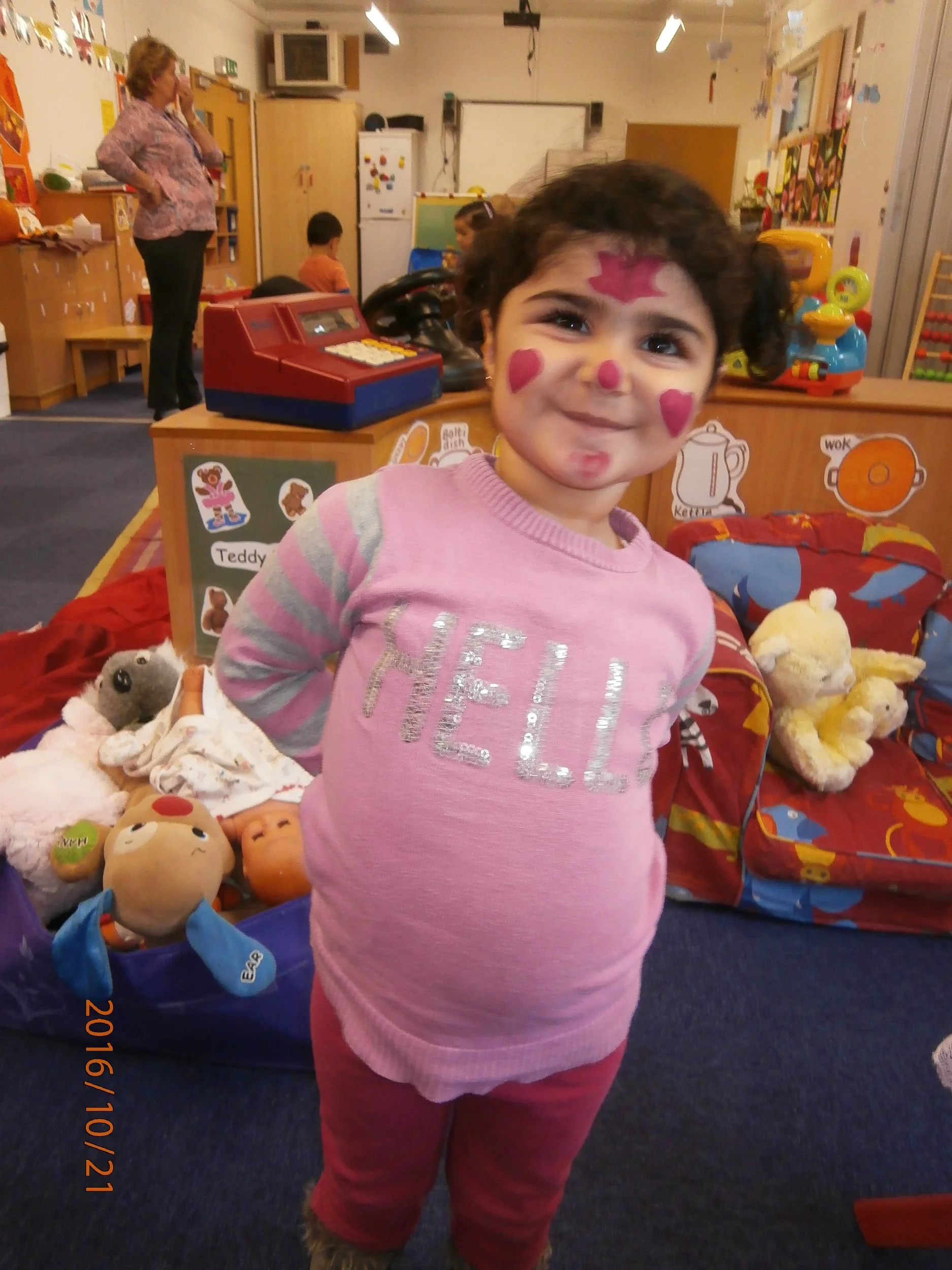
Also on that day, we’ll be taking part in Dress up for Digits and pupils will be invited to wear number themed fancy dress or an item of clothing with numbers, shapes and patterns on it. To help raise money for the NSPCC, we are asking for a suggested donation of £1, we’d love everyone in the school to take part!

It all adds up

We’re looking forward to all the fun of Number Day, and we really appreciate your support. All the money we raise will make an enormous difference to children today and help change the lives of children tomorrow.

You can find out more about the NSPCC’s work at nspcc.org.uk

Many thanks for your continued and appreciated support. If you do have any queries or questions, please don’t hesitate to contact me.

Adell Horbury - Assistant Headteacher


Please watch this video and help us win a set of Chromebooks!

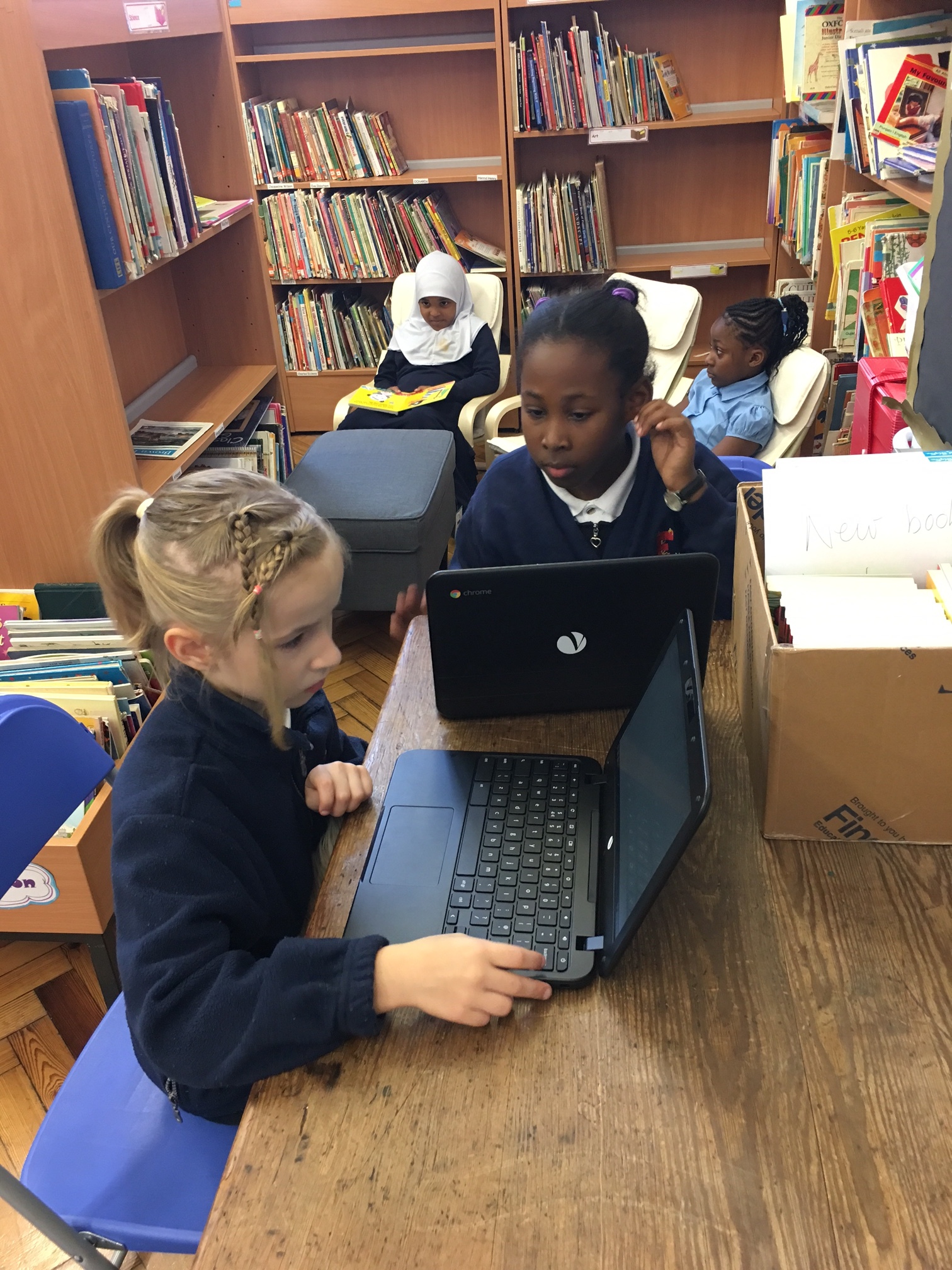
Since we made the change to Chromebooks last year the students have been loving the learning opportunities that the new devices have given us. As part of a competition to win a set of 30 brand new touch screen Chromebooks, we have put together this short video explaining why we love them so much. The video with the most views is the winner so please share it with your friends and help us win the competition!

Large turnout for our Parent coffee morning

Thank you to all the parents and carers who came to the coffee morning!

We were delighted to host the coffee morning with a view of establishing future  social as well as more formal occasions for the parents to come, meet and discuss ways we can work together to support their children and take a part in the school community.

To embrace the language diversity of our school community, the members of the support staff used their language skills to socialise with the the parents who speak additional languages to English.

Year 5 go back in time to the Victorian era

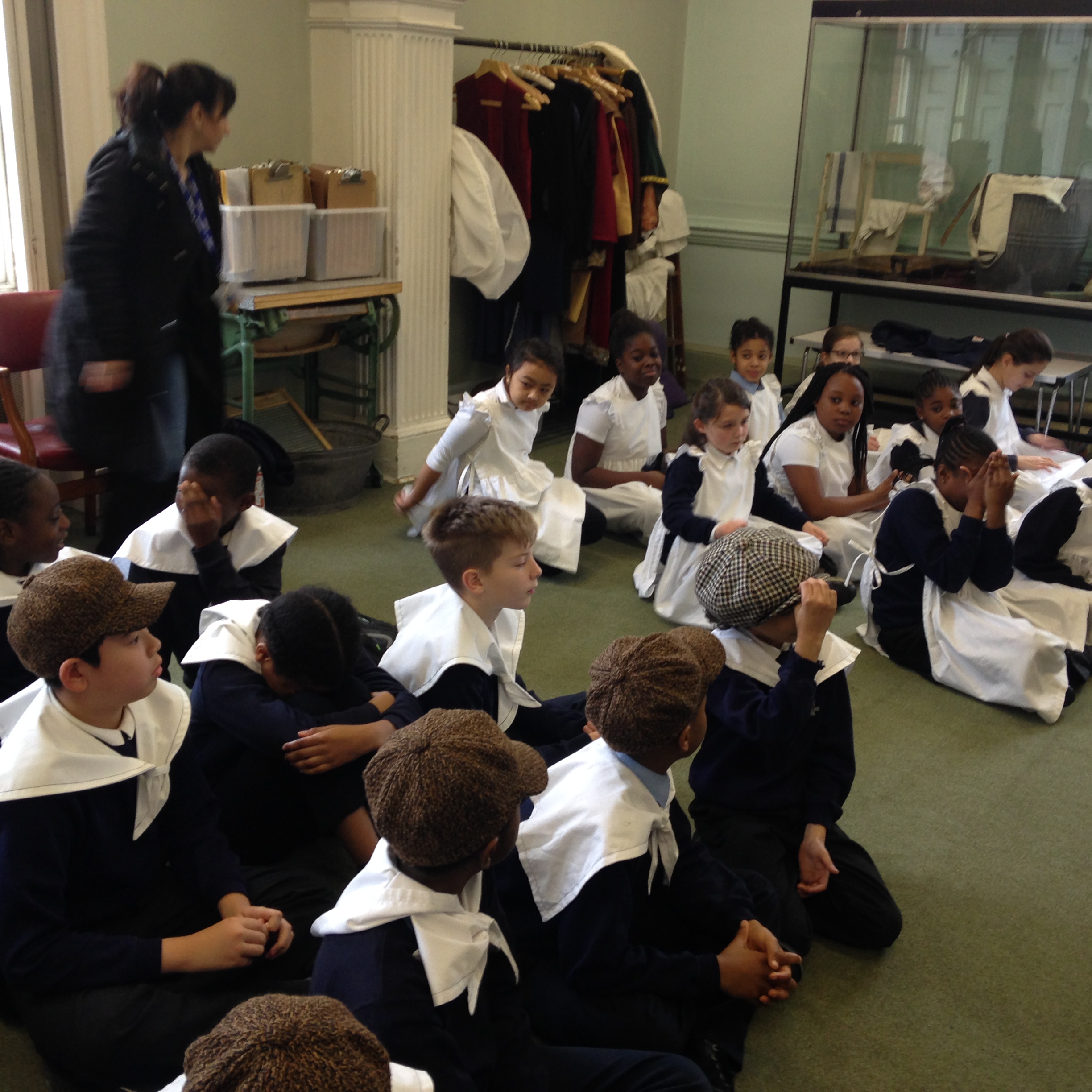
In their local history topic, Year 5 are currently doing a project on Victorian schools in our area. 5 Indigo had a session in the museum at Bruce Castle to give them an idea of what the schools in Victorian times looked like (Bruce castle itself used to be a school). The class dressed up in Victorian clothing, did some writing on chalk boards and used old ink pens. Then they had an outside session looking at the history of the building, it was a fantastic trip!

Black History Month

The focus of Black History Month this October was ‘Freedom fighters’. This has enabled children to learn about a range of historical figures both male and female and from different cultures and times in history who have made a stand against injustices. It has been fascinating to explore the freedoms and rights we take for granted, particularly democracy and freedom of speech along with the responsibilities that come with these and to also consider what could happen if they were ever taken away.

Year 1 read the book ‘Frog is a hero’ and talked about what it means to be a hero.

Year 2 discussed rights and responsibilities and wrote about famous freedom female fighters-Rosa Parks and Emmeline Pankhurst

Year 3 discussed articles from the UN Convention on the Rights of the Child and learnt about the Civil rights movement in the USA

Year 4 discussed freedom fighters and values which inspired them to bring about a change. They learnt and wrote about Harriet Tubman and Malala Yousafzai.

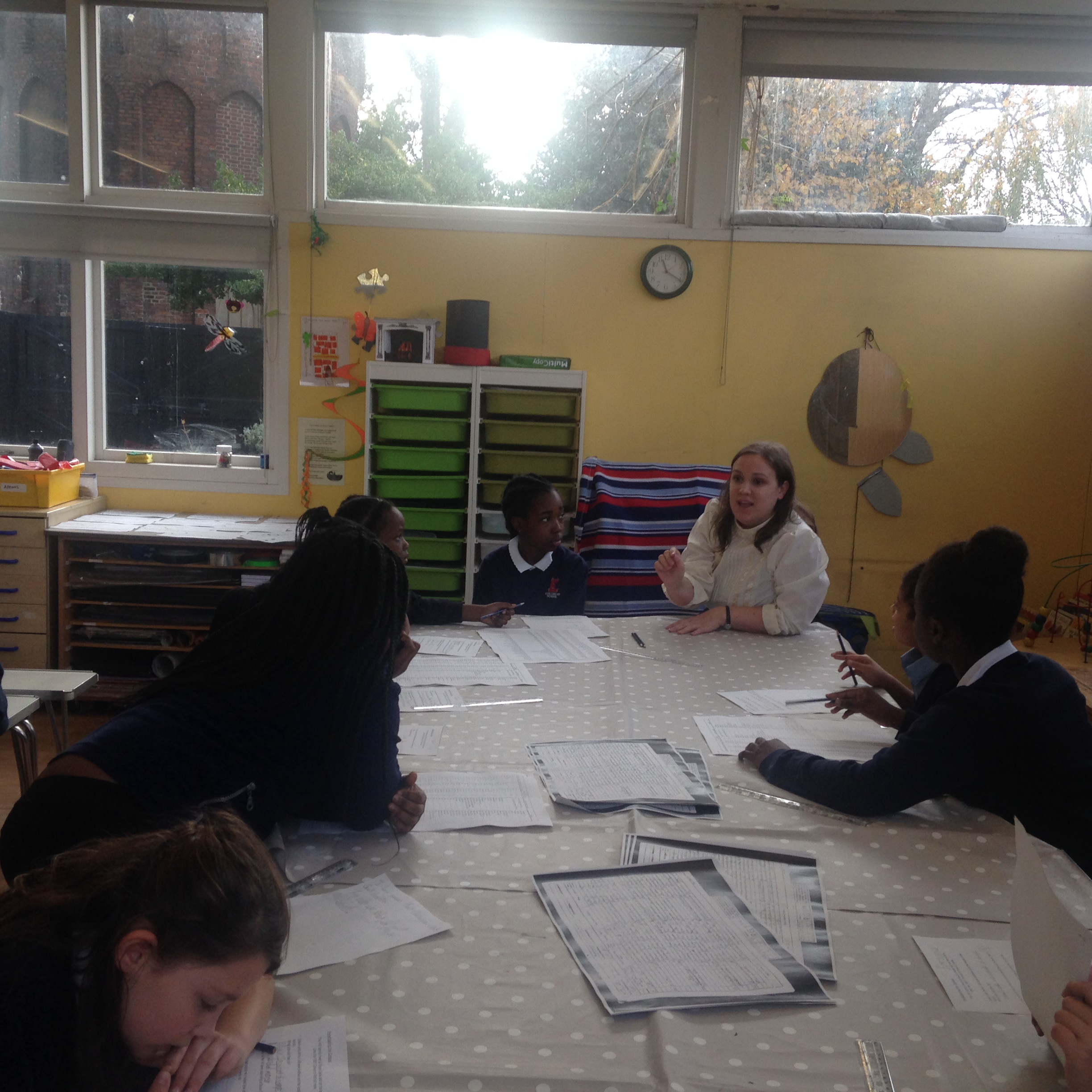
"As part of our Black History topic on ‘Freedom Fighters’ we looked at the rights of children as set out in the United Nations Convention on the Rights of the Child. We looked at 5 of the rights and ordered them according to the importance of them. We had to discuss each right and explain why we ordered them the way we did."

Year 5 have been reading Journey to Jo’burg and discussed apartheid in South Africa. They learnt about Nelson Mandela and other very important historical figures who were involved in the struggle against racial discrimination such as M.L.King, M.Ghandi, or Jesse Owens.They also read and discussed poems by Benjamin Zephaniah with a theme related to racial discrimination and diversity.

Year 6 learnt and wrote about Muhammad Ali and his protest against the Vietnam war.

Year 5 and a group of year 6 took a part in an African drumming workshop and performance with Ben Edwards.

The Sankofa Bird reminds us that we must continue to move forward as we remember our past. And at the same time we plant a seed for the future generations that come after us.

The Sankofa Bird reminds us that we must continue to move forward as we remember our past. And at the same time we plant a seed for the future generations that come after us.

Public Health England important information for parents and carers

Public Health England have released a winter newsletter for parents and carers that includes information regarding:

  • Anti-microbial resistance and steps that can be taken to help prevent the unnecessary use of antibiotics
  • Influenza and the annual vaccination programme, which has this year been extended to include all children aged between two and seven
  • Norovirus, also known as the ‘winter vomiting bug,’ and steps that can be taken to help reduce the risk of spreading infection

You can read the newsletter here.

How Ordinary People in Manchester Helped End Slavery in America!

How Ordinary People in Manchester Helped End Slavery in America! (Performed by Year 4 Lime)

In the 1800s, Britain became a rich country selling things made in its huge factories to the rest of the world. In cities like Manchester, huge factories made clothes from American cotton. Men and women (and sometimes children) worked very hard and earned enough to survive. The factory owners became very wealthy. But what about the people who picked the cotton in the fields?

In the Southern states of America, a country just 80 years old in 1860, 4 million African-Americans lived as slaves. They belonged to their masters and were paid nothing as they worked growing and harvesting crops like cotton.

Some of our volunteers tried cotton-picking. Cotton plants were spiky, and picking the cotton all day in the sun was exhausting, back-breaking work. Men, women and children younger than 10 worked in the fields of states like Georgia. If they tried to escape they faced fierce punishments.

Abraham Lincoln was the 16th president of the United States. He wanted to stop any more states from having slaves. When he won the election in 1860, the slave-holding states of the South went to war with the free states of the North. This war between the North and the South is what we call the American Civil War.

When the American Civil War started, the cotton stopped arriving in Britain. Wealthy factory owners started to lose money and their workers lost their jobs. The Cotton Famine made people in towns like Manchester very poor. Some people in Britain thought the answer was to go to war in America against the North so the cotton would start coming across the sea again.

The Civil War was a long and bitter fight. The armies of the North did not find it easy to defeat the South. Lincoln worried that the powerful nations of Britain and France would join the South’s side. He badly needed some friends in the world if America was to survive as one country and slavery was to end.

Cotton workers in Manchester were in a desperate situation. They needed a way to make a living. But they believed that slavery was wrong and did not want to earn a living making clothes from cotton that was picked by slaves.

Instead, they refused to use cotton picked by slaves and to let their country go to war against the North. They gave up their jobs and risked being poor and going hungry instead. It was a real sacrifice. 

They wrote a letter to Abraham Lincoln to express their support for him and urged him to end slavery in America once and for all.

Lincoln was extremely impressed by the generosity and solidarity shown by ordinary cotton workers in Manchester. He read their letter and replied to them:

"I cannot but regard your decisive utterances on the question as an instance of sublime Christian heroism which has not been surpassed in any age or in any country.
"It is indeed an energetic and re-inspiring assurance of the inherent truth and of the ultimate and universal triumph of justice, humanity and freedom… Whatever misfortune may befall your country or my own, the peace and friendship which now exists between the two nations will be, as it shall be my desire to make them, perpetual."